Production cycle

  • 1

    Raw Materials

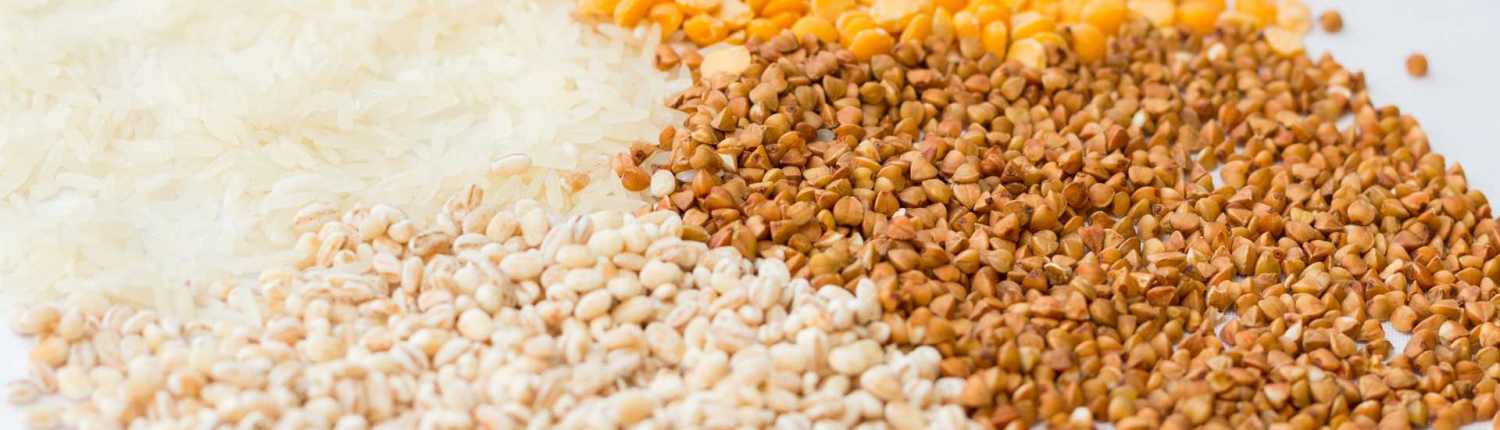
    The food chain begins in the field. We are producers of raw materials to be used directly in the feeding of our birds. The rest of the ingredients are basically cereals such as corn and wheat and oilseeds such as soybean meal. We do not use any raw materials of animal origin. All raw materials have to pass an organoleptic control before entering the mill and analysis of the raw materials are made in external laboratories to ensure quality.
  • Feed Mill

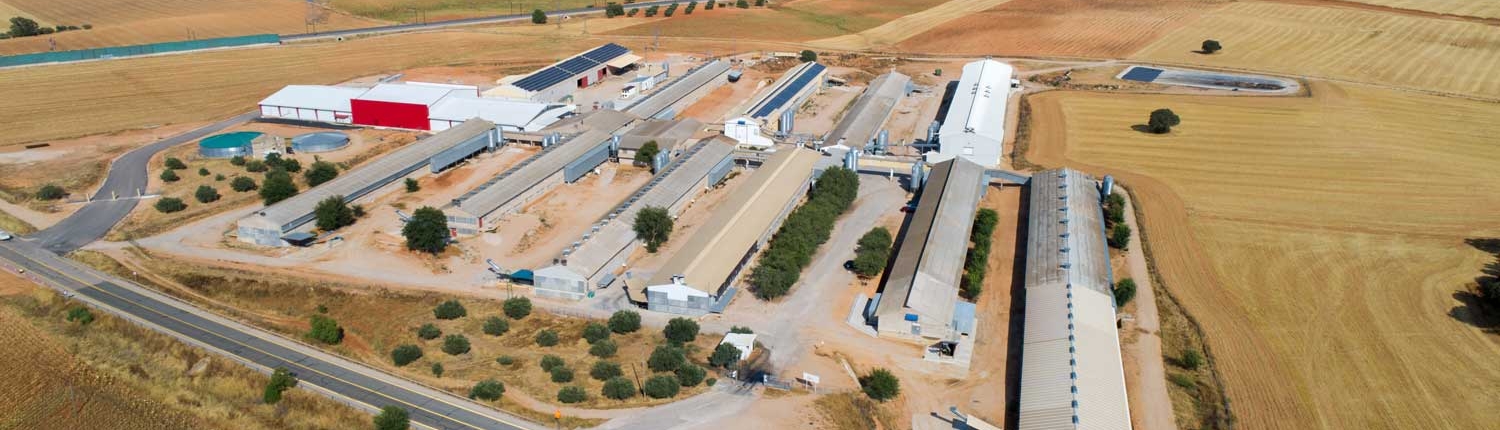
    Our feed mill is newly renovated and has a production capacity of 12,000 kg / hour. All production is exclusively for our farm. Here we made the most appropriate formulas and analyse the resulting feed periodically to verify that the hens have a nutritious, balanced diet.

    2

  • 3

    Breed Chicks

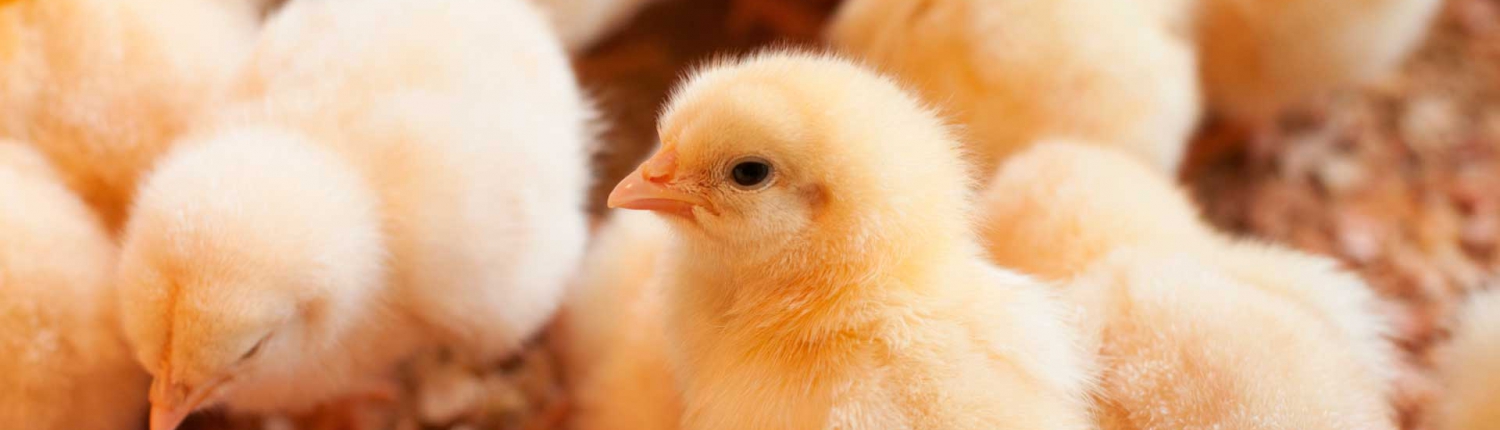
    Breed chicks from one day old, receive the cares of a baby: heat, disease prevention and proper diet. Hens reach maturity at 19 weeks, and two weeks before are moved from the rearing to the laying house. Once here, we continue to care for periodically checking the weight, feed and water consumption and general health status.

  • Hens

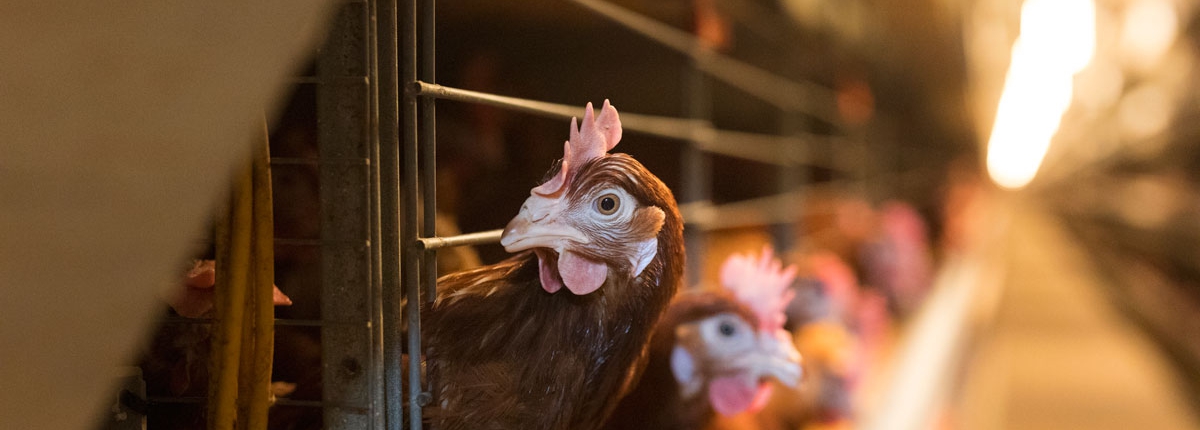
    Adult birds are housed in batteries adapted to the new European regulations on animal welfare. All accommodations are the latest generation, enabling automated control of the climate of the house, as well as ventilation, feeding, lighting and cleaning. All birds pass regular health checks by analysis as indicated by the Poultry Health Plan.

    4

  • 5

    Quail

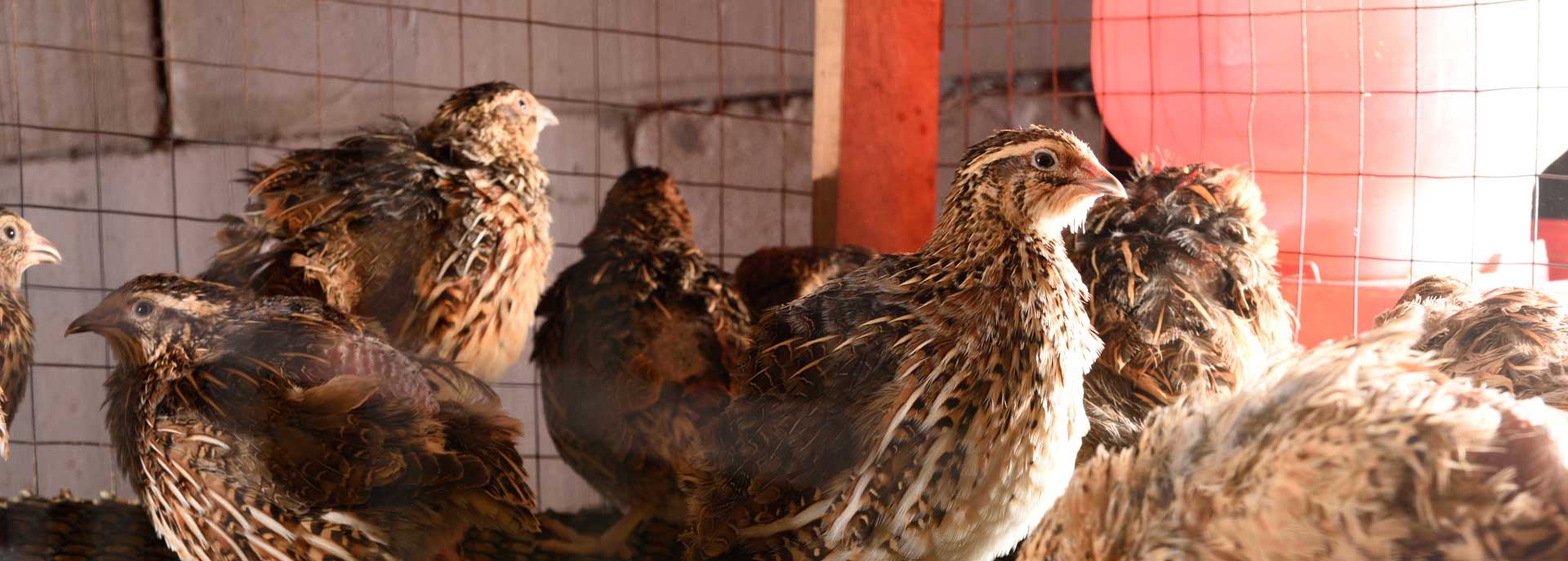
    We also have a small ship of 20,000 quail for egg production. The ship is heated and automated. Quails stay in our facilities from the seventh week of life and until the end of their productive life. The handling and feeding of these small birds is the same as that given to laying hens, always taking into account their particular needs. Likewise, the appropriate controls of both the birds and the egg are carried out to guarantee the quality and safety of the final product.

  • Packing Station

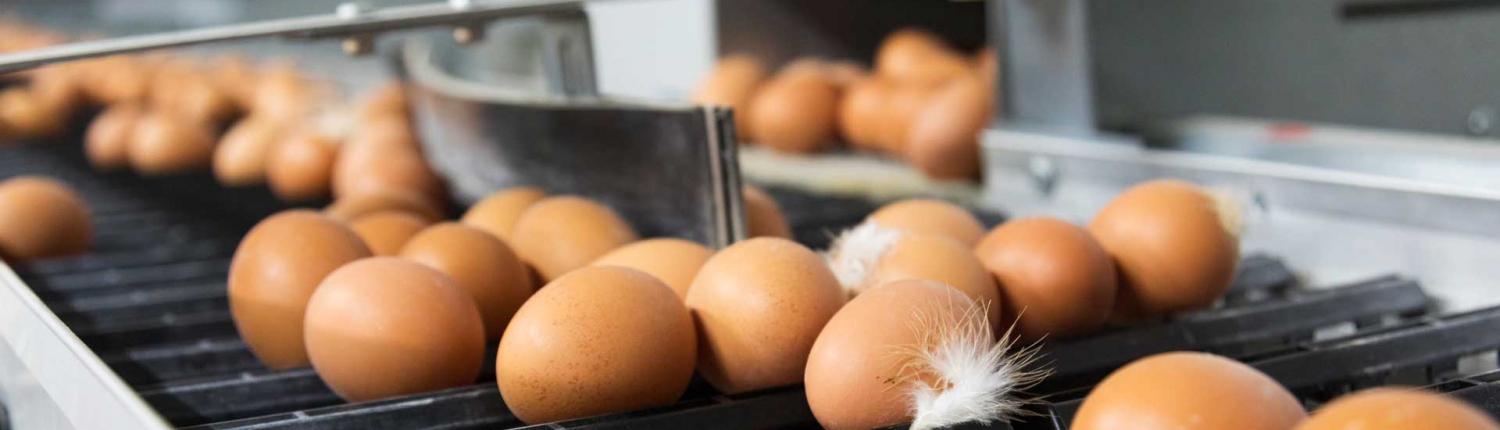
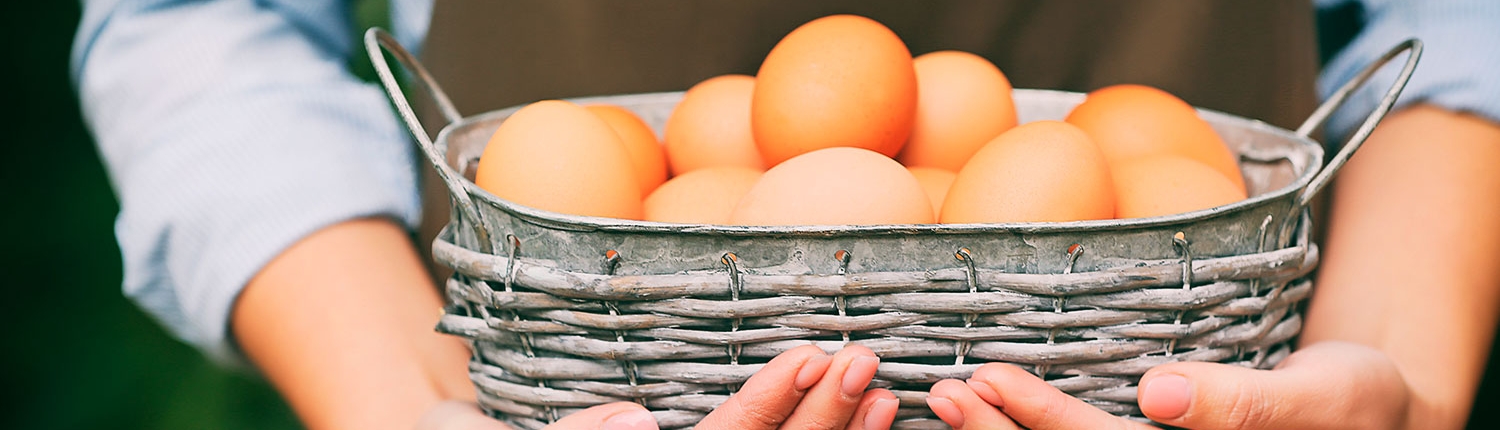
    Once set, the egg comes in a fully automated conveyor system that leads to the Packing Station. Eggs are collected daily to ensure maximum freshness and there is no manual contact to avoid contamination. We perform analysis in official laboratories to ensure food security of our products.

    In the packing station, we have high-tech grading machine responsible for weighing the egg electronically with utmost care.

    6

  • 7

    Quality Control

    In addition, a system called “crack detector” reviews each egg in order to detect even the smallest crack and separate broken and cracked eggs from the rest. Eggs are scanned by means of an acoustical system in a very accurate way. The entire surface of the eggshell is scanned for any cracks, from big to very small. We have a sorting capacity of 90,000 eggs per hour so the process is very fast. At this point each egg is automatically printed with the farm code and the best before date, either in the egg or the pack in which will be hosted. Immediately after the egg packing the final product is stored into a temperature-controlled warehouse that allows to keep their properties intact until the time of distribution.